In a world of ever-changing trends and new releases, there’s something comforting about returning to classic children’s books that have stood the test of time. These are the stories that have been passed down through generations, still resonating with children (and parents!). From timeless picture books, to coming-of-age young adult novels, these books charm, teach, and inspire.
If you’re building a home library, or simply looking to share beloved faves with a new reader, here are some suggestions for the best classic books, categorized by age group.
Pre-K: Gentle Stories and Memorable Rhymes
At this early stage of reading development, it’s all about rhythm, repetition, and engaging illustrations. These books are perfect for snuggly read-aloud evenings and establishing a love of books.
“Goodnight Moon” by Margaret Wise Brown – This quiet bedtime story, paired with Clement Hurd’s simple illustrations, has lulled children to sleep for generations. Its soothing tone and predictable phrasing make it an early favorite. (1947)
“The Very Hungry Caterpillar” by Eric Carle – With bright collage-style illustrations and an engaging counting theme, this book is a delightful introduction to days of the week, food, and metamorphosis. (1969)
“Brown Bear, Brown Bear, What Do You See?” by Bill Martin Jr. and Eric Carle – Repetitive structure and colorful illustrations make it ideal for very young readers, helping to develop language and memory skills. (1967)
Early Elementary School: Picture Books with Whimsy, Humor, and Heart
These picture books speak to the imagination and emotional development of kids starting to read more independently, as well as those who still enjoy being read aloud to.
“Where the Wild Things Are” by Maurice Sendak – This beautifully illustrated tale of mischief and imagination continues to resonate with children who love adventure and crave independence. (1963)
“Blueberries for Sal” by Robert McCloskey – This sweet story follows a young girl and her mother as they go blueberry picking… with an unexpected mix-up involving a bear cub and its mother! The story, combined with expressive illustrations, captures the curiosity of childhood and the joys of simple adventures in nature. (1948)
“Make Way for Ducklings” by Robert McCloskey – With its charming portrayal of a duck family navigating the very busy city of Boston, this Caldecott Medal winner still delights animal lovers and city kids alike. (1941)
Beginning Chapter Books: The Joy of Independence
This is the age when many kids transition from being read aloud to, to reading independently. These chapter books offer just the right amount of challenge, with familiar characters and comforting predictability. (Click here for tips on helping kids make the transition to independent reading.)
“Frog and Toad Are Friends” by Arnold Lobel – Simple language paired with big emotional resonance, the stories of Frog and Toad explore friendship, patience, and the little ups and downs of daily life. (1970)
“Amelia Bedelia” by Peggy Parish – Children delight in Amelia’s literal interpretations of common phrases, a clever and humorous way to introduce idioms and expand vocabulary. (1963)
“Nate the Great” by Marjorie Weinman Sharmat – A child-friendly detective story that sparks curiosity and offers early readers a satisfying mystery to solve. (1972)
Chapter Books: Strong Stories with Big Ideas
Books in this category challenge readers with more complex plots, deeper themes, and characters who grow and change.
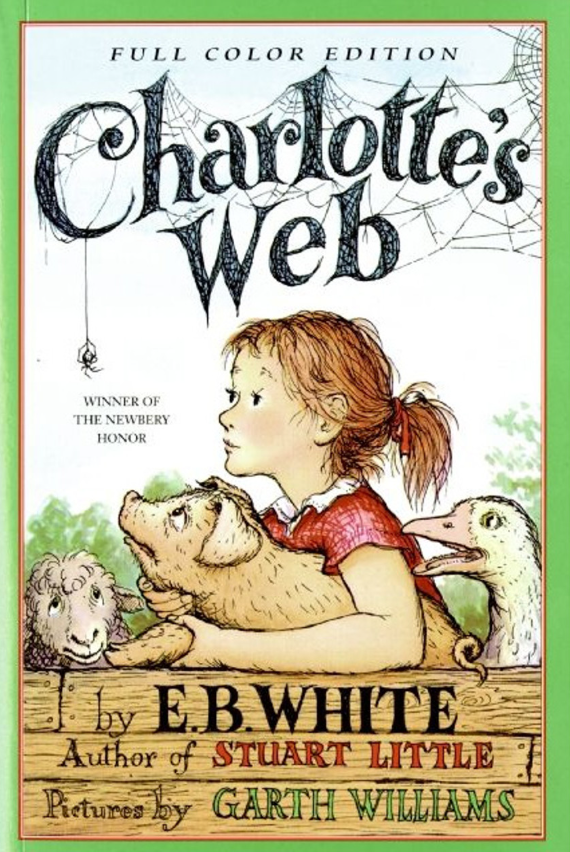
“Charlotte’s Web” by E.B. White – With themes of friendship, loyalty, and the passage of time, this story of a pig named Wilbur and his clever spider friend, Charlotte, is as poignant today as it was when it was published. (1952)
“The Boxcar Children” by Gertrude Chandler Warner – The tale of four orphaned siblings creating a life for themselves in an abandoned train car captures children’s desire for independence and problem-solving. (1924)
“Ramona Quimby, Age 8” by Beverly Cleary – Ramona’s mishaps and earnest attempts to navigate the world remain relatable to readers navigating some of their own growing pains. (1981)
Young Adult Favorites: Coming of Age and Standing Strong
These books tackle heavier topics, from self-identity to social justice, while still delivering compelling, readable stories.
“The Outsiders” by S.E. Hinton – Written by a teenager for teenagers, this gripping story about class conflict, friendship, and survival continues to strike a chord with young readers. (1967)
“Anne of Green Gables” by L.M. Montgomery – Anne Shirley’s wit, curiosity, and boundless imagination never go out of style. Her journey from orphan to confident young woman is both heartwarming and inspiring. (1908)
“A Wrinkle in Time” by Madeleine L’Engle – This sci-fi/fantasy classic (with a strong female lead!) invites readers to explore complex questions about good and evil, conformity, and the power of love. (1962)
Why These Classic Books Endure
What makes these classics so enduring? One big reason is that they speak to universal themes such as friendship, family, growing up, making mistakes, and dreaming big. They offer comfort in their familiarity, but also room to grow with each rereading. Whether through poetic language, unforgettable characters, or emotional depth, these books continue to hold a place on shelves and in hearts. They’ve shaped generations… and they’re ready to inspire the next.
About Success Won’t Wait
Founded in 2002 and dedicated to educating the next generation, Success Won’t Wait is a not-for-profit literacy organization based in Wilmington, Delaware. Want to learn more about Success Won’t Wait’s literacy projects, how to donate used children’s books in Delaware, or volunteer your time? Click on the About Us tab above.
Read now, because success won’t wait!
 Success Won't Wait!