As parents, we’ve seen technology seep into every corner of our kids’ lives, from how they learn to how they play. E-readers, once reserved for adults sipping lattes and enjoying thrillers, are now in kids’ hands too. And while it might be tempting to wonder if paper books are becoming a thing of the past, don’t clear your bookshelves just yet!
In a recent Scholastic article, psychologist Jim Taylor, Ph.D., author of Raising Generation Tech explains, “We are not going to stop this train. But should we try to slow it down? When it comes to the youngest readers, some experts are skittish about putting tablets into tiny hands.”
A lot of us parents are torn on this topic, as well. In fact, 68% say they’d rather their 6- to 8-year-olds stick with print books, according to Scholastic. And honestly, with so little long-term research out there, it might be a while before we really know just how tech is actually affecting our youngest readers.
The good news? It doesn’t have to be one or the other. As Otis Kriegel, a fifth-grade teacher and author of Covered in Glue, puts it: “You don’t build a house with only one tool.” Both print books and digital reading have something great to offer our kids. Here’s how you can try to strike the right balance.
Print Books Still Matter
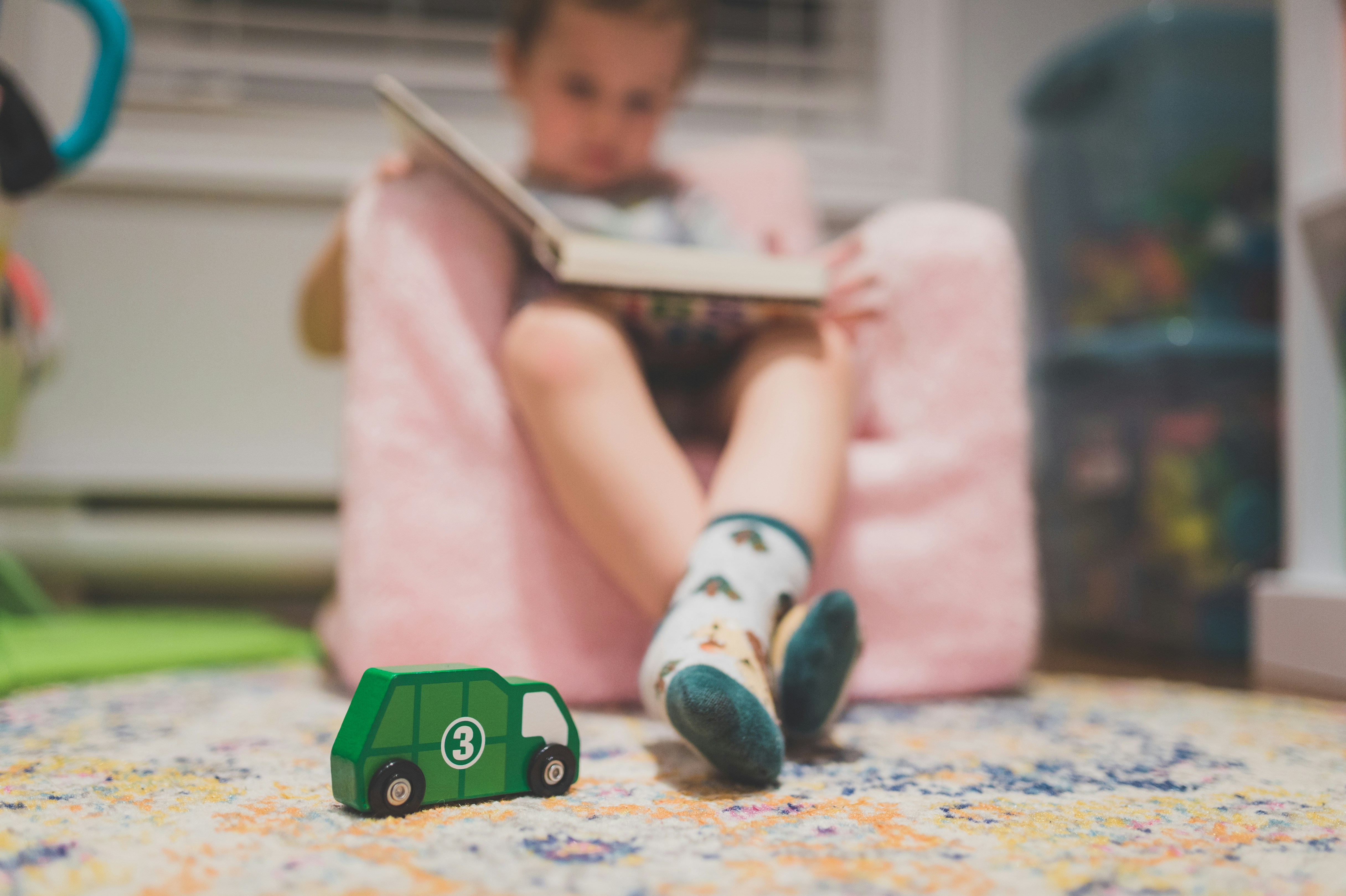
They’re hands-on in a way screens just aren’t. One of the big benefits of traditional books is the physical connection. Kids get to turn the pages, feel the weight of the book, point to pictures, and share favorites with friends or siblings. Kids need real-world sensory experiences like this to grow.
Reading time is bonding time. There’s something magical about curling up with your child and reading aloud together. Whether it’s before bed or during quiet time, that one-on-one experience builds more than literacy. Reading alo9u7d together creates an emotional connection. This kind of reading time can actually lay the foundation for your child’s future reading success. Parents using e-books with young kids often shift into “tech manager” mode, focusing more on tapping and swiping than the story itself. (Learn more about the benefits of reading aloud here.)
Print books allow more intense focus. Some children’s e-books are a bit over the top, with music, animations, and interactive games. Kids can easily get sidetracked! Lisa Guernsey, director at the New America Foundation, points out that these digital bells and whistles (whilst fun) sometimes pull attention away from the story. So, when using e-books, it’s best to choose those where the extras actually enhance the plot, not just entertain.
E-Readers Offer Unique Advantages
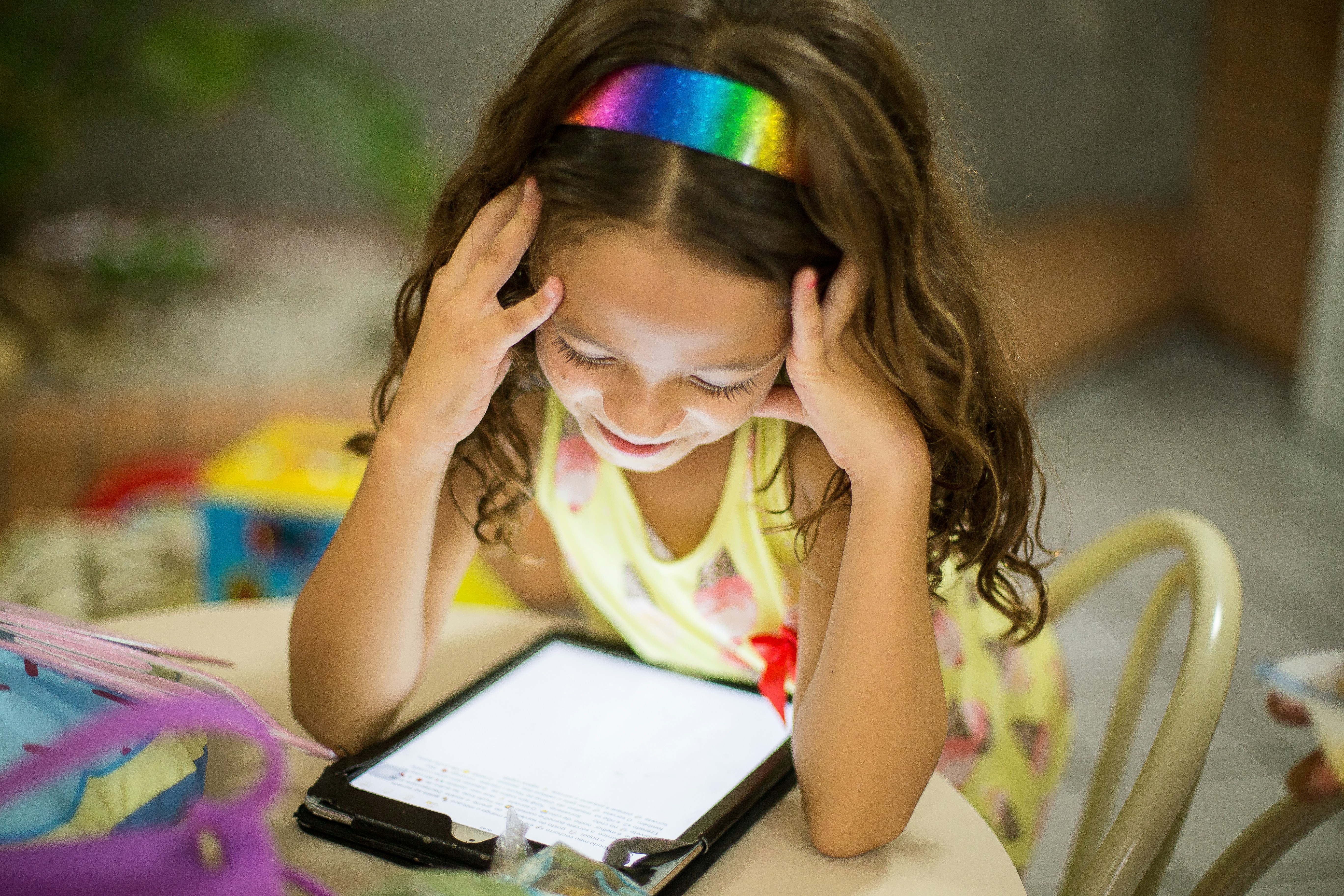
They can boost early literacy skills. E-books can actually help kids better connect words with meanings. In fact, word recognition can take a big leap, which is amplified when reading alongside an adult. There’s no question that an exciting e-reader can engage kids.
Interactivity helps kids learn. When kids can tap on words to hear them aloud or zoom in on unfamiliar vocabulary, it adds another layer to learning. For those just beginning to read (or kids who learn best through visuals) these features can be powerful tools.
It boosts confidence. Some kids, especially reluctant readers, benefit from the kind of privacy and independence that an e-reader offers. A struggling reader might feel self-conscious about flipping through an easy-level book in front of classmates. With a device, however, no one knows what they’re reading, which gives kids room to grow at their own pace.
It can supercharge vocabulary. A developed vocabulary is one of the most important foundations for building critical thinking, reading, and writing skills. During a pilot program at California Lutheran University to examine the use of e-readers and how they affect student learning, the following was discovered.
“After learning to use the Kindle e-reader’s built-in New Oxford American Dictionary, students did a 180. They were tested on vocabulary in assigned readings, and they formally learned seven to ten new words a week. But the informal learning was the pleasure and the surprise (see “Using the Dictionary”). Students in both pilots unanimously reported that they were looking up words in the reader on their own. These young gamers loved being able to, as one student put it, “get the definitions of words within seconds.” Looking up two, three, or more words on a single page quickly became a habit. Creating a conscious, disciplined, and more self-directed approach to building vocabulary has given pilot students the tools and incentive to learn and assimilate vocabulary from their e-readings.”

Paper Book or E-Reader: What’s the Right Choice?
The short answer? Both.
Most kids have no trouble switching between formats, and once the novelty of the screen wears off, they simply focus on the story, not the medium. And, what matters most isn’t the device or the paper… it’s you. Whether you’re reading The Very Hungry Caterpillar on an iPad or flipping the pages of a hardcover, your voice, your presence, and your curiosity matter more than anything else.
So, read aloud together. Talk about the pictures. Ask questions about the plot line. Because no matter the format, the best reading tool in your home is the person holding the book.
About Success Won’t Wait
Founded in 2002 and dedicated to educating the next generation, Success Won’t Wait is a not-for-profit literacy organization based in Wilmington, Delaware. Want to learn more about Success Won’t Wait’s literacy projects, how to donate used children’s books in Delaware, or volunteer your time? Click on the About Us tab above.
Read now, because success won’t wait!

 Success Won't Wait!
[…] Learn how to balance choices: “E-Readers vs. Print Books: You Don’t Have to Choose Just One!” […]