Literacy is the foundation of all learning. Unfortunately, for far too many children and adults around the world, access to books is far from guaranteed. In a world where the ability to read shapes everything from educational achievement to employment opportunities, access to books is about equity.
Providing access to books is one of the most powerful tools available to break the cycle of poverty, level the playing field, and ensure that all individuals, regardless of background, can pursue a bright future.
The Literacy Gap: Why Access to Books Matters
The literacy gap between students coming from well-resourced versus under-resourced communities is not a new problem.
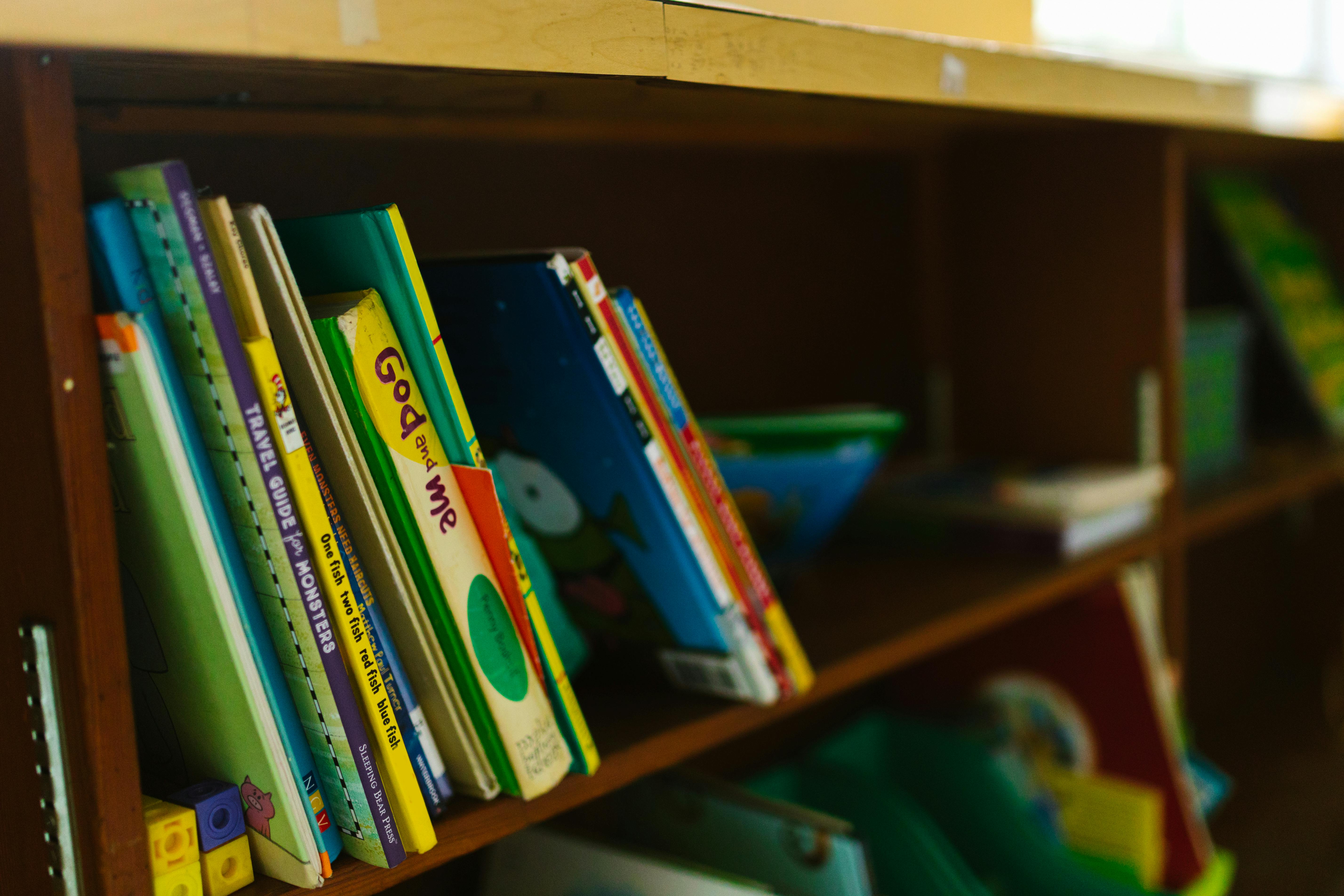
And one key reason behind this gap is access… or the lack of it. Children in middle- and upper-income neighborhoods may have hundreds of books at home, enjoy frequent library visits, and parents or caregivers who read aloud to them regularly. In contrast, children from lower income families may live in “book deserts” (areas where books are scarce in both homes and communities).
When access to books is limited, it’s not just reading skills that suffer. Self-esteem, curiosity, and imagination often shrink along with literacy rates. Without access to age-appropriate books that reflect their identities and interests, children may not see reading as enjoyable or relevant. That disconnect not only reinforces inequality, it also restricts opportunity.

Books Are an Equity Tool
Books teach empathy, expand knowledge, and help readers see themselves, and others, in new ways. For example, a child who finds a story with a character who looks like them, or faces similar struggles, is more likely to connect with reading emotionally and intellectually.
Books also provide access to new ideas, experiences, and opportunities that readers might never encounter in the course of their normal, daily life. A child from an inner-city neighborhood can read about life on a farm. A child in a rural town can explore distant countries. Books bridge gaps not only in education but in understanding.
Most importantly, when reading is supported and encouraged, it creates a lifelong habit of learning. Children who read grow into adults who read. Readers are more likely to vote, volunteer, participate in their communities, and strive for upward mobility. The path to literacy is the path to empowerment!

The Role of Schools, Libraries, and Community Programs
To address these gaps, schools and communities must prioritize book access. Classroom libraries filled with diverse titles, robust school library programs, and support for early literacy in pre-K settings are all good starting points. But the work must extend beyond school walls.
Public libraries play a pivotal role in closing the literacy gap by offering free access to books (as well as technology, tutoring, and educational programming). Mobile library vans, Little Free Libraries, and programs like Dolly Parton’s Imagination Library are all examples of how communities are bringing books directly to families.
Little Free Libraries (those small book-sharing boxes in you may notice popping up in neighborhoods) have become a wonderful grassroots movement to reading to doorsteps across the country… and even around the world! And nonprofit organizations like Success Won’t Wait focus on getting books into the hands of underserved readers through a variety of book giveaways, creation of mini libraries, stocking school libraries and classrooms, and more. (Click here to learn more about Success Won’t Wait’s 20+ year history and literacy programs.)
How can you help?
To create a more equitable society, we have to make literacy a priority at every level. This includes every aspect from family reading time to a national education policy. Ensuring that every child in America has access to books is not just a matter of convenience or kindness. It’s a moral imperative. Every child deserves the opportunity to grow, dream, and succeed.
Simply put? Access to books changes lives. When we put books in our children’s hands, we’re not simply teaching them to read, we’re giving them the tools to write their own story.
If you have children’s books (pre-k – teen) to donate, Success Won’t Wait can help find them a home.
Please contact us directly at susanmcneill6@comcast.net to schedule a drop off time. Thank you for your generosity and for supporting our mission!

About Success Won’t Wait
Founded in 2002, Success Won’t Wait is a not-for-profit literacy organization based in Wilmington, Delaware. Want to learn more about Success Won’t Wait’s literacy projects, how to donate used children’s books in Delaware, or volunteer your time? Click on the About Us tab above.
Read now, because success won’t wait!
 Success Won't Wait!
[…] “The space was designed to make it easier for employees to access reading materials right at work,” says Johns. “By making a variety of books available in the building, it’s simple for employees to add reading into their daily routine.” (Click here for more information about how access to books impacts literacy.) […]