
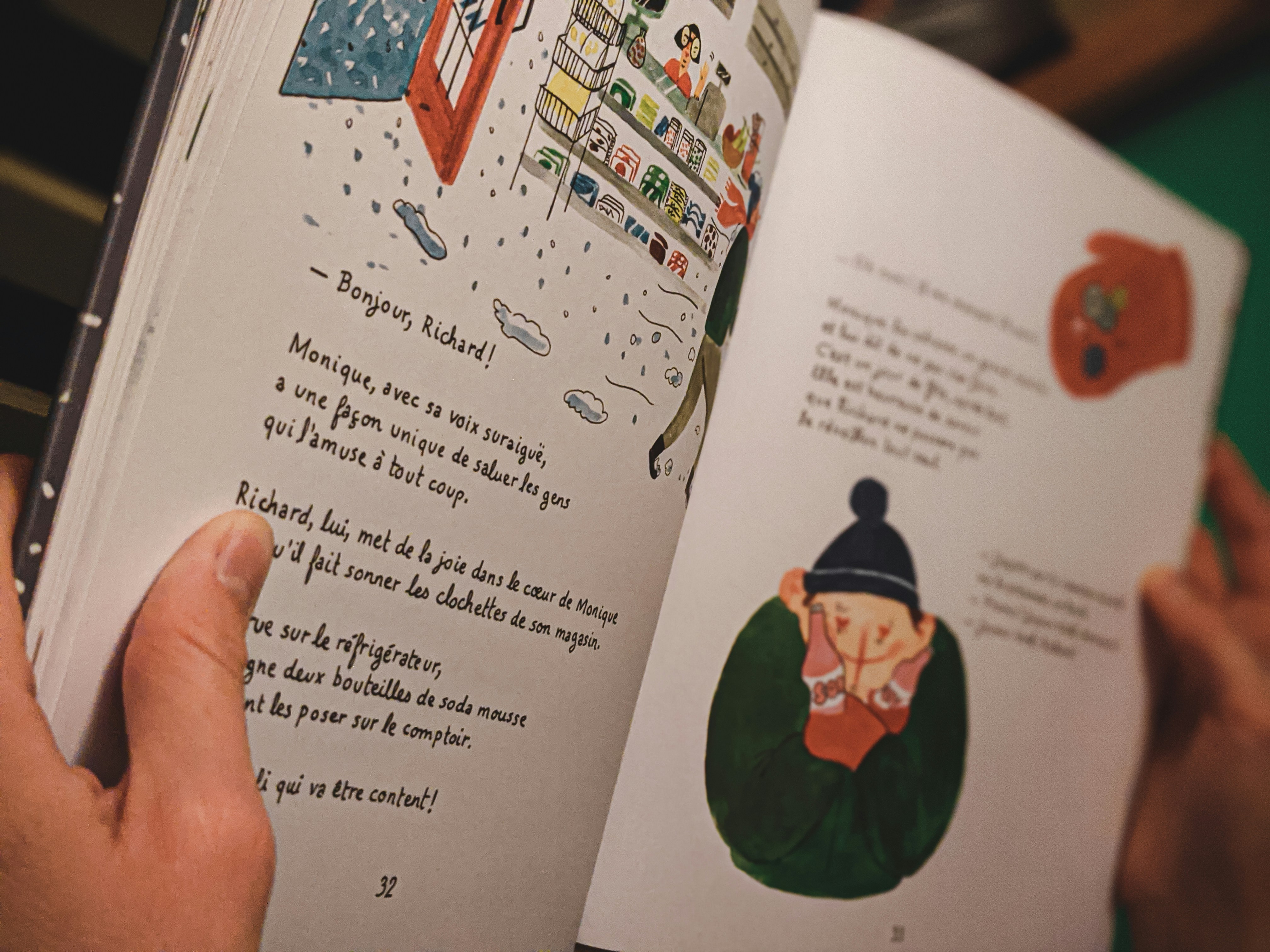
In today’s connected world, more families are raising children who speak more than one language. Whether your household is already bilingual, or you’re simply interested in introducing a second language, building a multilingual home library is one of the most powerful and practical ways to support language development. Books make language visible and turn everyday reading into a natural way to grow bilingual skills.
The good news? You don’t need to be fluent in multiple languages to help your child become a confident multilingual reader. With a few intentional choices, your home library can become a bridge between languages.
Why Multilingual Reading Matters
Reading in more than one language strengthens more than just vocabulary. It supports cognitive flexibility, problem-solving, and cultural awareness. Children who regularly engage with books in another language learn to fluidly switch between languages, notice patterns and make connections (and these are skills that benefit learning across all subjects!).
Plus, multilingual books help children see their identity reflected on the printed page. For families who speak another language at home, having books in that language builds confidence, pride and a deeper emotional connection to reading.
Start Small and Build Gradually
You don’t need shelves full of foreign-language books to begin. Even a small, rotating collection from the public library can make a big impact.
Focus on quality and interest, not quantity. Kids are more likely to engage with books they already love, so finding familiar stories in another language makes a great starting point.
Dual-language books are another powerful tool to enhance bilingual literacy. These books show both languages side by side, making it easy to compare words. Dual-language books are especially helpful when parents are stronger in one language than the other. You can read in the language you’re most comfortable with while still exposing your child to the second language. And they make read-alouds more fun!
Where to Find Books
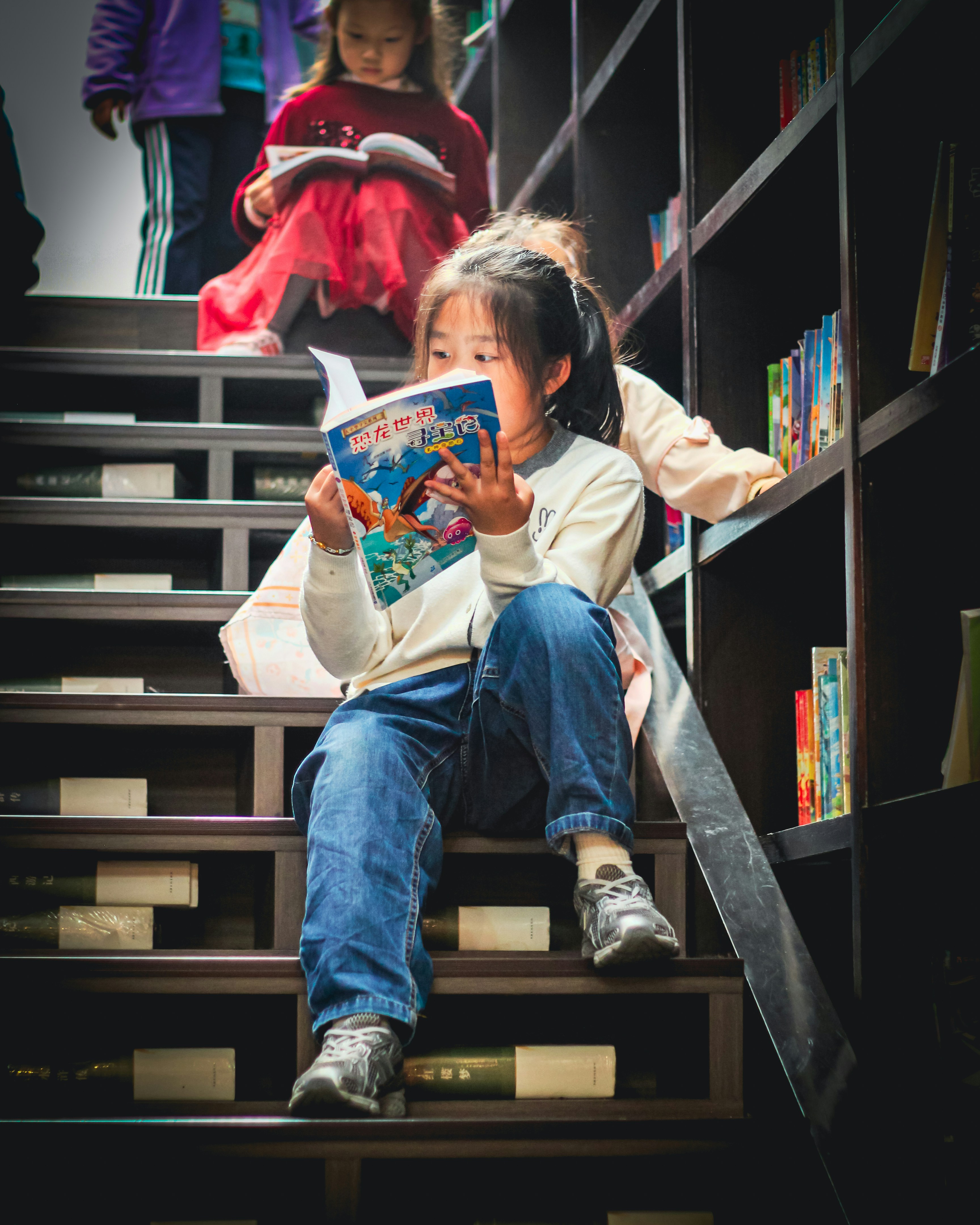
Public libraries are an incredible resource for multilingual families. Most libraries carry books in multiple languages and can request titles through interlibrary loan. Librarians are always happy to help (and they often know about hidden gems!).
Digital libraries and audiobooks make it easier to access languages that may not be widely available locally. Listening to stories in another language supports pronunciation, rhythm and comprehension.
And, keep in mind that choice is especially also important in multilingual reading. Let kids pick books in either language based on interest, not just educational value. Graphic novels, joke books and favorite characters all count. When reading feels fun, children are more likely to stick with it.
A multilingual home library isn’t just about raising strong readers. It’s about raising confident children who are rightfully proud of their family’s language, culture and heritage.
About Success Won’t Wait
Founded in 2002, Success Won’t Wait, Inc. is a not-for-profit literacy organization based in Wilmington, Delaware. Want to learn more about Success Won’t Wait’s book access and literacy projects, how to donate books or volunteer your time? Simply visit About Success Won’t Wait.
Read now, because success won’t wait!
 Success Won't Wait!