According to the experts at Reading is Fundamental, 1 in 3 children entering kindergarten lack the basic skills they need to learn how to read. And these folks know a thing or two about reading! For 60 years, Reading Is Fundamental has connected children with the joy of reading, putting kids on a path of proficiency.
For parents, the thought that their child may walk through the classroom door on their first day of kindergarten lacking the foundational skills necessary is unsettling.
And so, the pressure is on.
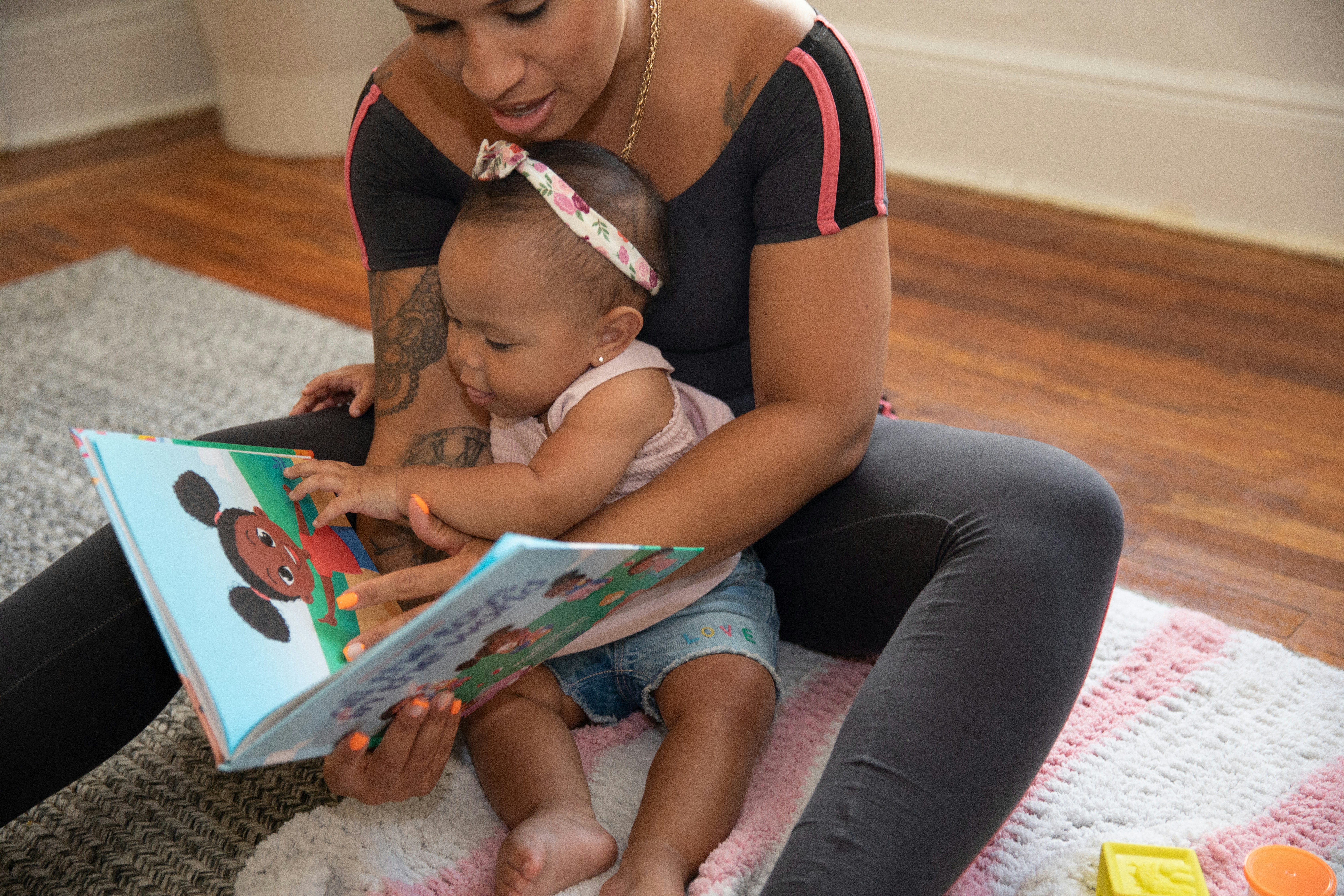
Many parents incorrectly assume that “learning to read” is something that happens exclusively at a desk with a phonics workbook. In reality, reading skills start in infancy. Foundational skills are absolutely essential to later success in reading.
Here are the crucial skills your child needs before they open their first schoolbook, and how you can guide them through play and daily life.
Phonological Awareness: The “Ear” Skills
Before a child can read with their eyes, they must learn to “read” with their ears. Phonological awareness is the ability to recognize and play with the sounds in spoken language. This includes:
- Rhyming: Recognizing that “cat” and “hat” sound the same
- Syllables: Understanding that “apple” has two beats (ap-ple)
- Alliteration: Hearing that words in the phrase “Silly Sam” start with the same sound
Make phonological awareness into a game. While driving, ask, “I’m thinking of a word that rhymes with bear. Can you name one?” Read nursery rhymes and emphasize the rhythmic patterns. Clap out the syllables of your grocery list items: “Ba-nan-a” (three claps!).
Vocabulary Boosters
The more words a child hears and understands, the easier it is for them to decode those words on a page later. A “word-rich” environment predicts reading success more accurately than almost any other factor. Children need to know not just the names of objects, but “action” words and “describing” words.
Narrate your day. Instead of saying “Put your shoes on,” try, “Let’s slide your feet into your sturdy blue sneakers so we can go for a quick walk.” Ask open-ended questions. Instead of “Did you like the park?” ask, “What was the most exciting / beautiful / funny thing you saw at the playground today?”
Read “What is the One Million Word Gap and How Can Parents Give Pre-K Kids a Head Start?” to learn even more strategies.
Print Awareness
Print awareness is the realization that those squiggles on a page, a cereal box or a street sign actually carry meaning. It includes knowing how to hold a book, understanding that we read from left to right, top to bottom and recognizing that words are separated by spaces.
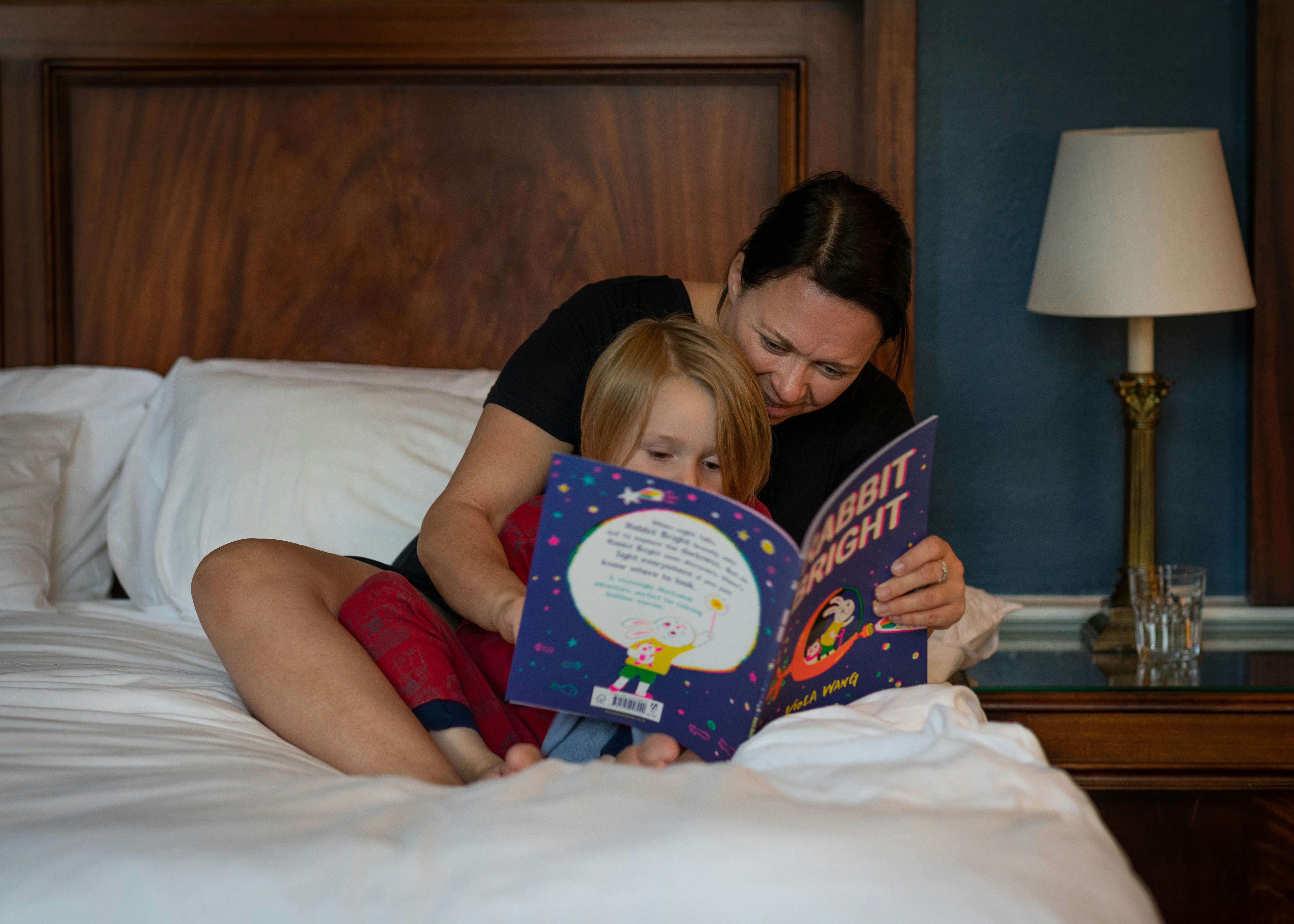
Be a “print model.” Point to the words as you read a bedtime story. Point out signs in the environment: “That red sign says STOP.” When you write a grocery list, explain what you’re doing: “I’m writing the word ‘milk’ so I don’t forget to buy it.”
The ABCs
By kindergarten, children should ideally be able to recognize most uppercase and lowercase letters and know that each letter is associated with a specific sound. And, recognizing the letters in their own name is the most important starting point.
Use fun, tactile play. Use playdough to form letters, or draw them in a tray of sand or shaving cream. Point out letters in the world that belong to them: “Look, that store starts with ‘M’ just like your name, Matt!”
Be the Narrator
Reading comprehension starts with the ability to tell a story. Can your child describe an event in order? Do they understand the concept of “beginning, middle and end”? If a child can’t follow the logic of a spoken story, they will struggle to follow the logic of a written one.
After reading a book, ask “What happened first?” and “What do you think will happen next?”
The Secret Ingredient? Joy!
The goal of at-home preparation isn’t to turn your living room into a high-pressure classroom. And, it’s important to note that the “1 in 3” statistic is often simply a reflection of access and exposure, not a child’s lack of potential.
The single most effective thing a parent can do is foster a love of stories. When a child associates books with cuddles, laughter and undivided attention from a parent, they enter kindergarten wanting to learn to read! That internal motivation is the strongest tool a teacher can work with.
Read together for at least 15 minutes a day, talk constantly, and remember to keep it fun!
About Success Won’t Wait
Founded in 2002, Success Won’t Wait, Inc. is a not-for-profit literacy organization based in Wilmington, Delaware. Want to learn more about Success Won’t Wait’s book access and literacy projects, how to donate books or volunteer your time? Simply visit About Success Won’t Wait.
Read now, because success won’t wait!
 Success Won't Wait!