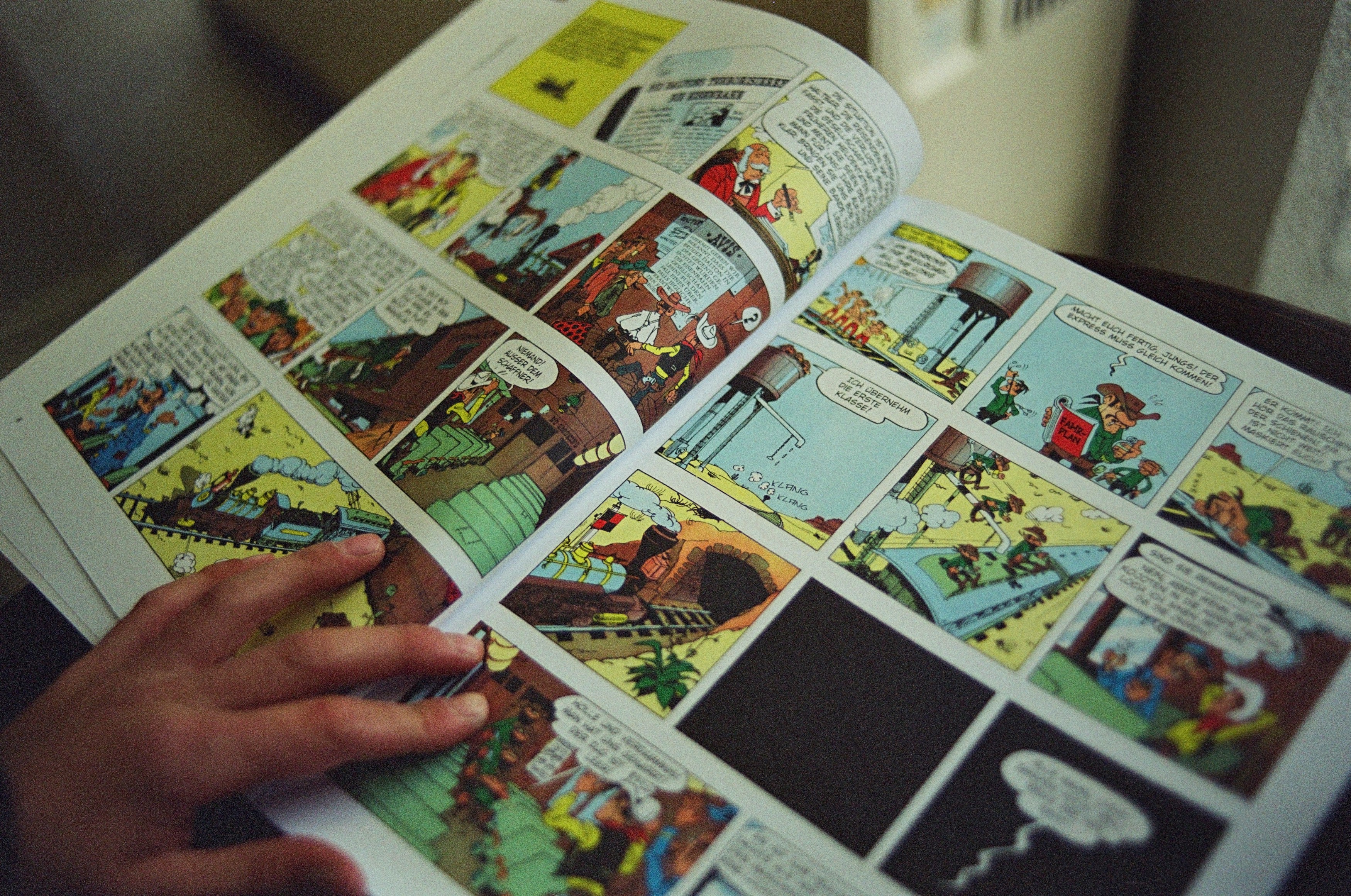
When many adults think of graphic novels, they often picture superhero comics or assume the format is simply “cartoons” with little literary value. But in recent years, educators, librarians, and parents have begun to recognize that graphic novels are not only legitimate reading material, they’re actually powerful tools that can help young readers develop crucial literacy skills. If you’ve ever been skeptical about whether graphic novels “count” as real reading, it’s time to take a closer look at why these books can open doors for kids who might otherwise struggle with reading.
Accessibility and Confidence Building
For many reluctant readers, a wall of dense text can feel intimidating or overwhelming. Graphic novels naturally break down that barrier. The combination of visuals and concise dialogue makes stories more accessible, particularly for children who may be struggling with decoding, reading fluency, or comprehension. The images support the text, offering visual context clues that help readers better understand the story, infer meaning, and follow character development.
Graphic novels can also be confidence builders. Kids who finish a graphic novel may feel a sense of accomplishment that motivates them to pick up the next one. This sense of success can be particularly important for readers who have traditionally felt left out in the classroom or those who have internalized the belief that they’re simply not “good at reading.”
Complex Storytelling in a Visual Format
It’s a common misconception that graphic novels are “easier” or “less sophisticated” than traditional chapter books. In reality, graphic novels often feature complex plots, rich character development, and thought-provoking themes. Some of the most beloved graphic novels for young readers—such as Raina Telgemeier’s Smile, Jerry Craft’s New Kid, or Cece Bell’s El Deafo—tackle big issues like identity, bullying, diversity, disability, and self-acceptance.
These books offer young readers a safe and engaging way to explore complicated emotions, as well as real-life situations. The combination of visual storytelling and dialogue invites readers to make connections, draw conclusions, and develop empathy for characters whose experiences may be different from their own.
Bridging the Gap to More Reading
Graphic novels can serve as a gateway to other kinds of reading. Many children who initially gravitate toward graphic novels eventually develop the stamina and interest to read traditional chapter books. Others may continue to love the graphic novel format while expanding their reading choices to include nonfiction, historical fiction, or even classic literature presented in graphic adaptations.
The beauty of graphic novels is that they get kids reading and keep kids reading.
Supporting Diverse Readers and Stories
Graphic novels are often on the cutting edge of inclusive storytelling. Today’s graphic novels showcase a wide range of characters, cultures, family dynamics, and life experiences. Books like When Stars Are Scattered by Victoria Jamieson and Omar Mohamed, which tells the story of Somali refugees in a Kenyan camp, or Stargazing by Jen Wang, which explores friendship and cultural identity, offer windows into other worlds while providing mirrors for children who want to see themselves reflected in the books they read.
This diversity makes graphic novels especially valuable for young readers from underrepresented backgrounds, helping them feel seen and heard.
Practical Tips for Parents and Educators
If you’re looking to introduce graphic novels to the young readers in your life, here are a few suggestions to make the experience positive and meaningful:
Let Them Choose: Offer a variety of graphic novels covering different genres, topics, and artistic styles. Kids are more likely to engage with books they choose themselves.
Read Along: Don’t dismiss graphic novels because they feel unfamiliar to you. Pick one up and read alongside your child. Discuss the story, the artwork, and what they liked (or didn’t!) about it.
Pair Graphic Novels with Traditional Books: Consider pairing graphic novels with chapter books or nonfiction on similar themes. For example, if your child loves Nathan Hale’s Hazardous Tales series, you can introduce them to more traditional history books as a follow-up.
Visit your Library: Many libraries now have robust graphic novel sections for kids and teens. And librarians can always offer fantastic recommendations and help you discover even more titles.
At the end of the day, graphic novels are an incredible resource to spark curiosity, develop empathy, build reading skills, and make reading fun. That’s a win in any book!
About Success Won’t Wait
Founded in 2002, Success Won’t Wait is a not-for-profit literacy organization based in Wilmington, Delaware. Want to learn more about Success Won’t Wait’s literacy projects, how to donate used children’s books in Delaware, or volunteer your time? Click on the About Us tab above.
Read now, because success won’t wait!
 Success Won't Wait!
[…] Next, give children a choice. Kids are more motivated when they have a say in what they read, even if their picks don’t look like “traditional” literature. Comic books, graphic novels, and magazines are all valuable forms of reading. In fact, for reluctant readers, these formats often serve as stepping stones to more complex texts. (Click here to read “Why Graphic Novels Are a Powerful Tool for Young Readers.”) […]